📊 Editorial Consensus89%
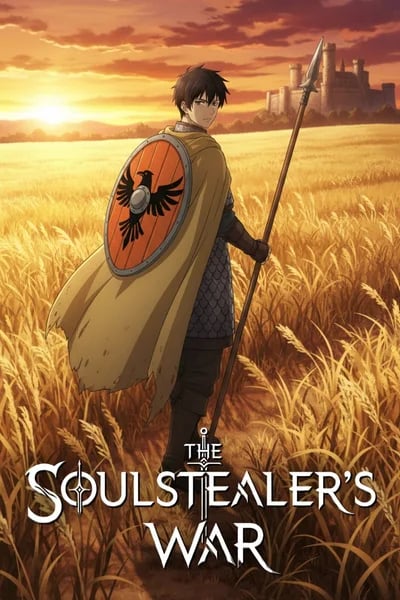
La Guerra del Devorador de Almas
by kwerte
● OngoingRoyalroad
#LitRPG#Portal Fantasy / Isekai#Progression#War and Military#Male Lead#Action
Archivist Notes
La narrativa arranca con un choque brutal entre la academia moderna y la fantasía militar oscura, donde un estudiante de cine desencantado llamado Levi Gordon muere en una tormenta de nieve helada y despierta como Lemming, un soldado esclavo genéticamente modificado conocido como un Duplicate. Esta trasmigración establece instantáneamente un marco de género híbrido, fusionando las mecánicas de progresión de LitRPG con la supervivencia visceral en el campo de batalla y la guerra táctica. El mundo de Gate opera bajo sistemas de castas rígidos, nodos de resonancia arcanos y una brutal guerra contra orcos sin alma que emergen de las Tierras de la Maldición (Bane-lands) corruptas bajo la sombra de un planeta gigante gaseoso. Levi llega sin recuerdos de este mundo, cargado con el pesado estigma de ser un Penitente, un alma desplazada forzada a habitar una propiedad militar estatal. Su génesis se define por la discriminación sistémica inmediata y la severa atrofia física, sin embargo, su antecedente analítico de la Tierra se convierte en su trampa definitiva. Al tratar el combate y el crecimiento de atributos como un riguroso plan de estudios académico, arma la disciplina, transformando las tareas mundanas del campamento en ejercicios de condicionamiento y decodificando leyes mágicas complejas a través de un hambre intelectual pura. La historia equilibra magistralmente la fría maquinaria de la guerra respaldada por el estado con profundas luchas personales por la identidad y el propósito. Cada rodilla raspada y cada Punto de Presencia agotado impulsa una trayectoria ascendente implacable, demostrando que incluso en un mundo diseñado para moler individuos en carne de cañón, la ingeniosidad humana y la resolución inquebrantable pueden forjar armas legendarias a partir de cuerpos rotos. A través de la toma de riesgos calculada y una negativa inquebrantable a aceptar destinos predeterminados, el protagonista se transforma de un extraño odiado en la vanguardia indispensable de una unidad de élite, sentando las bases para una campaña que reescribirá los cimientos mismos de un imperio en ruinas mientras navega por alianzas políticas traicioneras y jerarquías mágicas antiguas. Su enfoque sistemático para la fusión de habilidades y la gestión de recursos actúa como un profundo catalizador, permitiéndole saltarse siglos de estancamiento institucional y reescribir las reglas de combate a través de una innovación táctica pura. La fusión perfecta del conocimiento de encuadre cinematográfico con la manipulación gravitatoria crea un paradigma de combate único que deja perplejos a veteranos experimentados. A medida que asciende en rangos desde un soldado raso hambriento hasta un comandante condecorado, la narrativa refuerza continuamente el tema de que la verdadera fuerza surge de la adaptación en lugar del privilegio heredado. Este arco fundacional establece la base emocional y mecánica para una épica inmensa donde cada victoria cuesta sangre, cada alianza exige sacrificio y el camino a la salvación está tallado a través de un impulso hacia adelante implacable.
Eres un Penitente. Un alma perdida vagando, que ha tomado el control de un cuerpo que no es tuyo —peor aún, un cuerpo que es propiedad militar. Eso es robo. Un crimen, si me escuchas.
La Guerra del Robador de Almas
Story Chronicles
NODE 01Forjado en Sangre y Nieve
Supervivencia en la Línea del FrenteAdquisición de HabilidadesRuptura Táctica
Archivist Insights
El hito inaugural sumerge al protagonista en un cenáculo de desgaste en la línea del frente donde el prejuicio arraigado choca con una competencia indudable en el campo de batalla. Privado de refugio adecuado y burlado por veteranos que lo ven como carga desechable, aprovecha su rencor y su visión táctica para sobrevivir a su primer escaramuza con orcos, convirtiendo una retirada desesperada en un contraataque coordinado que salva a sus camaradas de la aniquilación. Los momentos de humillación pública surgen repetidamente cuando los superiores cínicos subestiman su fondo educativo moderno, solo para presenciar cómo desmantela monstruosidades de armadura pesada utilizando pozos gravitatorios improvisados y una manipulación ambiental precisa que desafía la doctrina marcial convencional. El pico de la escalada del clímax ocurre durante una agotadora expedición por un laberinto donde orquesta un asalto multicapa contra un golem pilar de nivel titanio, sincronizando la precisión a distancia, el tanqueo por fuerza bruta y la curación rápida en una sinfonía táctica impecable que deja atónitos a los observadores senior. Cada victoria endurece su estilo de liderazgo mientras desmantela sistemáticamente las barreras burocráticas que mantienen estancados a los soldados de rango inferior, demostrando que la meritocracia puede anular los sistemas de casta generacionales. La narrativa aprieta los tornillos a medida que las facciones políticas maniobran tras puertas cerradas, introduciendo operativos de inteligencia sombríos que ven su rápido ascenso como una amenaza directa para el orden institucional arraigado. La dinámica interna del escuadrón se fractura bajo presión, forzando a las alianzas frágiles a solidificarse a través del trauma compartido y la mutua dependencia. La escasez de recursos obliga a decisiones constantes de triaje, donde cada punto de presencia gastado lleva el peso de una muerte potencial. La guerra tradicional se basa en la fuerza bruta y la superioridad numérica, sin embargo, esta secuencia demuestra cómo la posición calculada, la explotación del terreno y la resonancia elemental sincronizada pueden invertir completamente esas ventajas. Al rechazarse a conformarse con los protocolos de infantería estándar, el protagonista establece un nuevo paradigma de eficiencia combativa que resuena a través de todo el batallón. El costo psicológico de los constantes enfrentamientos de vida o muerte comienza a fracturar las viejas lealtades mientras forja vínculos inquebrantables entre aquellos que se niegan a rendirse. Cada enemigo derrotado proporciona puntos de datos valiosos que aceleran la comprensión mágica, transformando el instinto de supervivencia crudo en una maestría estratégica refinada. La amenaza inminente de purgas internas y asedios externos converge en un momento singular de cuentas pendientes donde la vacilación significa colapso total. El gancho de suspenso surge cuando un mensajero a caballo repentinamente entrega despachos urgentes sobre una ciudadela caída, forzando una movilización de emergencia inmediata que amenaza con consumir a todo su cohortes antes de que hayan dominado completamente sus artes recién adquiridas o asegurado líneas de suministro estables, dejando al escuadrón marchar ciegamente hacia un asedio incierto. El peso del mando se asienta pesadamente sobre sus hombros a medida que se da cuenta de que la supervivencia por sí sola nunca será suficiente para asegurar la victoria en una guerra que exige una perfección absoluta.
◆ Conclusion
El protagonista gana el respeto en el campo de batalla mediante tácticas de combate innovadoras y automejora constante.
NODE 02El Cenáculo de la Ciudadela de Zafiro
Pruebas de la AcademiaFormación de EscuadrónRevolución Táctica
Archivist Insights
El segundo hito cambia el enfoque hacia las pruebas de élite en la academia donde el conocimiento teórico choca con la aplicación práctica brutal. Al entrar en un campo de entrenamiento altamente competitivo poblado por herederos aristocráticos y veteranos duros, el protagonista debe armar un escuadrón disfuncional de candidatos rechazados y marginados que carecen de coordinación formal o respaldo institucional. Las inversiones icónicas ocurren cuando rivales arrogantes desprecian su composición mixta, solo para verlos dominar los patos de esgrima a través de la especialización de roles no convencional y los ritmos de combate adaptativos que explotan patrones de ataque predecibles. La intensidad de los momentos de humillación pública escala durante un asedio simulado por un laberinto donde el equipo enfrenta probabilidades abrumadoras, forzando al líder a desplegar técnicas avanzadas de manipulación espacial que rompen las formaciones defensivas convencionales y exponen vulnerabilidades críticas en la doctrina militar estándar. El clímax de la escalada culmina en un duelo de alto riesgo contra un prodigio de rango superior, donde la paciencia estratégica y el timing preciso superan los atributos crudos superiores y la técnica pulida, demostrando que la adaptabilidad vence a la maestría rígida. La narrativa explora la fricción entre la tradición institucional y el método revolucionario, destacando cómo las tácticas no convencionales interrumpen las estructuras de poder establecidas y desafían generaciones de estancamiento doctrinal. Los giros clave de la trama revelan una corrupción oculta dentro del aparato de pruebas, como evaluadores sesgados que intentan descalificar al escuadrón a través de infracciones fabricadas, retrasos procedimentales y guerra psicológica diseñada para romper la moral. El gancho de suspenso llega cuando un enviado real interrumpe la evaluación final, anunciando una despliegue no autorizado a una provincia fronteriza crítica que termina abruptamente su ciclo de entrenamiento estructurado y los proyecta directamente en operaciones de guerra activa. El cambio repentino de entornos académicos controlados a la guerra real caótica obliga a una adaptación inmediata, ya que los instintos de supervivencia deben fusionarse perfectamente con las técnicas aprendidas bajo fuego. La política institucional se derrama en el campo de batalla, requiriendo una navegación diplomática junto con el poder marcial para mantener la cohesión operativa. El escuadrón aprende que la excelencia verdadera exige una evolución constante, superando las zonas de confort y abrazando riesgos calculados que separan a los soldados competentes de los comandantes legendarios.
◆ Conclusion
Las tácticas no convencionales y las artes fusionadas desmantelan los paradigmas de entrenamiento elitistas.
NODE 03Asedio de Traición y Ceniza
Guerra UrbanaConspiración PolíticaAscenso al Mando
Archivist Insights
El tercer hito sumerge la narrativa en la guerra urbana a gran escala donde la conspiración política intersecta con el combate en la línea del frente. Encargado de liberar una ciudadela estratégicamente vital invadida por fuerzas orcos organizadas, el protagonista coordina una estrategia de infiltración multipunto que utiliza redes de alcantarillas, maniobras en azoteas y ataques de distracción con tiempos precisos para eludir las defensas de perímetro fuertemente fortificadas. Las inversiones icónicas se manifiestan cuando los comandantes leales presuntos se revelan como traidores comprometidos, sabotaje activamente las rutas de suministro e intentando eliminar figuras clave de liderazgo durante ventanas operativas críticas. Los momentos de humillación pública surgen cuando las poblaciones civiles subestimadas rally inesperadamente para defender sus hogares, transformando a refugiados pasivos en combatientes activos que refuerzan los rangos militares agotados y demuestran una notable resiliencia bajo condiciones de asedio. La escalada del clímax alcanza su cénit durante una confrontación directa con un Capitán Comandante Negro, requiriendo una manipulación precisa de campos gravitacionales y secuencias de golpe perfectamente sincronizadas para neutralizar objetivos encantados pesadamente que inicialmente parecen invulnerables. La narrativa examina las complejidades morales de la necesidad de guerra, explorando cómo los líderes equilibran la misericordia calculada con la acción decisiva al enfrentar la corrupción arraigada y la traición institucional. Los giros mayores de la trama descubren una vasta red de sobornos financieros involucrando agencias de inteligencia de élite y funcionarios de gobernanza local, exponiendo cómo el decaimiento sistémico y las nombramientos nepotistas permiten los avances del enemigo y comprometen la seguridad regional. Las ejecuciones públicas sirven como recordatorios estremecedores de la rendición de cuentas de guerra, reforzando la autoridad de la cadena de mando mientras disuaden la insubordinación futura. El gancho de suspenso surge mientras las tropas victoriosas se preparan para la reubicación inmediata, solo para recibir inteligencia urgente sugiriendo que el conflicto actual es solo una sondaje preliminar por un despertar antiguo mucho más grande que amenaza con deshacer la estabilidad continental por completo. La posguerra obliga a una recalibración estratégica rápida, exigiendo una integración seamless de los activos recuperados y el personal herido en las redes de defensa en curso. La madurez del liderazgo se profundiza a medida que el protagonista reconoce que las victorias en el campo de batalla significan poco sin abordar las debilidades estructurales subyacentes.
◆ Conclusion
La liberación estratégica expone la corrupción sistémica mientras demuestra la versatilidad del liderazgo.
NODE 04Sombras de los Hornos de la Grieta
Defensa de la FronteraMaestría LogísticaDespertar Antiguo
Archivist Insights
El cuarto hito transiciona de la conquista táctica a la preparación estratégica para una amenaza existencial en ascenso. Tras la finalización exitosa de la campaña, el protagonista recibe responsabilidades ampliadas para supervisar las defensas de la frontera norte mientras navega desafíos logísticos complejos y reasignaciones de personal sensibles que prueban las capacidades administrativas junto con el poder marcial. Las inversiones icónicas ocurren cuando los instructores veteranos reconocen el potencial previamente ignorado, otorgando acceso a archivos de entrenamiento restringidos y compendios mágicos avanzados que aceleran drásticamente el desarrollo de habilidades y desbloquean vías de resonancia latentes. La intensidad de los momentos de humillación pública se construye a medida que los contingentes rivales intentan socavar el liderazgo recién promovido a través de retrasos procedimentales y acaparamiento de recursos, solo para ser sistemáticamente superados por una inteligencia de recolección superior, una asignación de recursos preventiva y canales de comunicación transparentes. El clímax de la escalada se centra en una misión de reconocimiento de alto riesgo en las marismas heladas, donde los peligros ambientales extremos, las temperaturas subcero y los partidos de incursión orcos covert testan la resistencia, la flexibilidad táctica y la fiabilidad del equipo más allá de los parámetros de combate estándar. La narrativa destaca la transición crucial del heroísmo individual al mando organizacional, enfatizando la gestión de la cadena de suministro, el mantenimiento de la moral de la tropa, la optimización del triaje médico y la coordinación inter-unidad seamless a través de frentes de batalla fragmentados. Los desarrollos clave de la trama revelan alineaciones geopolíticas cambiantes, ya que los reinos distantes renegocian paces de defensa, los embargos comerciales aprietan las líneas vitales económicas y las unidades élite undergo reestructuración rápida para meet las tasas de bajas crecientes. El gancho de suspenso llega cuando las observaciones astronómicas meticulosas indican disturbios atmosféricos anómalos sobre los desiertos del norte, señalando una actividad sísmica renovada y emisiones de ceniza desde fortalezas antiguas selladas que alguna vez albergaron entidades primordiales dormidas desde la edad oscura. El escuadrón debe adaptarse rápidamente a las campañas de invierno prolongadas, dominando los protocolos de combate de clima frío, desarrollando modificaciones especializadas de equipo térmico y estableciendo bases de operaciones avanzadas para sustener despliegues extendidos. La resiliencia psicológica se vuelve tan vital como la condición física, ya que el aislamiento y la monotonía amenazan con erosionar la preparación para el combate. La visión estratégica resulta esencial al anticipar los movimientos del enemigo, requiriendo un ajuste constante de los horarios de despliegue y la planificación de contingencia.
◆ Conclusion
Los deberes de mando ampliados revelan conspiraciones más profundas que amenazan el equilibrio global.
Character Lore Pantheon
Levi Gordon
Resolución Analítica de ProblemasDisciplina ImplacableSíntesis Mágica Adaptativa
Originalmente un estudiante de cine moderno reincarnado en un cuerpo de soldado esclavo, Levi navega la discriminación sistémica tratando la progresión mágica como una búsqueda académica. Su carta de la victoria reside en combinar la conciencia espacial cinematográfica con las artes de manipulación gravitatoria, lo que le permite predecir trayectorias y controlar la física del campo de batalla. Los giros principales de la trama incluyen sobrevivir a los primeros enfrentamientos en la línea del frente, construir un escuadrón cohesionado a partir de excluidos, dominar los mecanismos de fusión de habilidades y liderar campañas exitosas de liberación urbana. Su viaje lo transforma de un ladrón de almas marginado a un sargento respetado, cuyos métodos poco convencionales superan consistentemente a las doctrinas marciales tradicionales, posicionándolo finalmente como una figura clave en las estrategias de defensa regional.
Lady Sage
Restauración por Transferencia de DolorManipulación Arcana BotánicaIndependencia Resiliente
Hija de un señor regional, Sage entra en el entrenamiento élite a pesar de sus piernas paralizadas y las expectativas sociales, dependiendo de un golem forestal consciente para su movilidad. Su contribución principal al combate gira en torno a la sanación enlazada, que transfiere el dolor de las heridas a ella misma pero asegura la sostenibilidad del escuadrón durante enfrentamientos prolongados. Los giros principales de la trama implican superar el sesgo institucional, dominar las artes druídicas avanzadas y gradualmente integrarse en roles de combate de primera línea en lugar de permanecer confinado al apoyo de retaguardia. Su asociación con Levi fortalece la cohesión del escuadrón, mientras que su background noble proporciona un contrapeso político crucial durante negociaciones de alto riesgo y reuniones militares.
Anchor
Balística de PrecisiónReconocimiento TácticoLealtad Ruda
Anteriormente privado de su arte mágico para maximizar su destreza en arquería, Anchor actúa como disuasorio a larga distancia y sistema de alerta temprana del escuadrón. Su ojo único y su ojal representan el trauma pasado de encuentros con ladrones de almas, impulsando su dedicación a proteger a sus camaradas de amenazas invisibles. Los giros principales de la trama incluyen adaptarse a composiciones de escuadrón no tradicionales, perfeccionar técnicas de proyectiles mejorados por resonancia y ejecutar eliminaciones críticas contra comandantes blindados. Su enfoque disciplinado complementa el estilo improvisacional de Levi, creando una dinámica de combate equilibrada que maximiza tanto el rango ofensivo como la flexibilidad táctica.
Fair Use & IP Notice
MythFan is a community-driven, fan-contributed wiki & archive operating under Fair Use guidelines. MythFan does not host, store, or distribute any novel downloads or copyrighted media assets. All content is contributed and maintained by community members. If you believe any content infringes upon your intellectual property rights, please send a notice to [email protected] — we will review and remove infringing material within 3–7 business days upon verification.
💬
Sanctuary Discussion
La Guerra del Devorador de Almas · Forum
🔑 Sign in to participate in discussions
Sign InProject Sanctuary · Native Discussion System