📊 Editorial Consensus89%
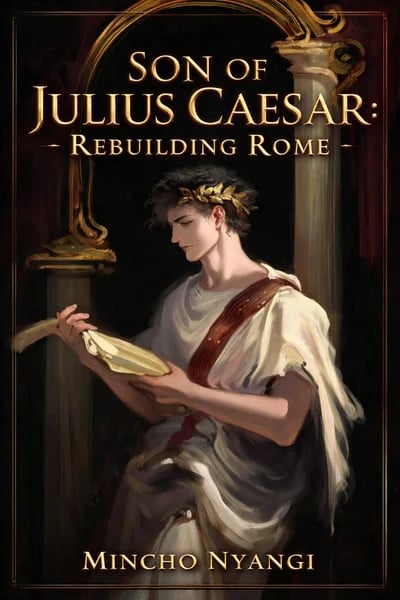
Hijo de Julio César: Reconstruyendo Roma
by Mincho Nyangi
● OngoingRoyalroad
#Reincarnation#Time Travel#Progression#War and Military#Male Lead#Adventure
Archivist Notes
Un oficinista moderno, destrozado por el implacable ciclo de la sobrecarga laboral y un jefe abusivo, fallece en un accidente de tráfico repentino. Sin embargo, la muerte no es su destino final. Despierta en un templo colosal, coronado por nubes, que alberga el acervo de todo el conocimiento humano, donde una misteriosa diosa de cabello rojo le ofrece una segunda oportunidad. Reencarnado en el año 61 a.C. como Lucio Julio César, el hijo mayor ficticio del legendario Julio César, hereda un destino lleno de conspiraciones políticas y guerras civiles. Armado con sus recuerdos intactos del siglo XXI y un 'cheat' único: la capacidad de regresar a la biblioteca celestial en sus sueños una vez por semana, resuelve reescribir el destino trágico de su nueva familia.
Esta épica híbrida de historia y reencarnación fusiona la política romana antigua con la innovación capitalista moderna. Reconociendo que la supervivencia en la implacable República Romana requiere una inmensa riqueza y apoyo popular, Lucio aprovecha su conocimiento del futuro para lanzar empresas revolucionarias. Transforma las caóticas calles de Roma introduciendo el concepto de seguro contra incendios, optimizando el negocio mediante estadísticas y modelos de probabilidad avanzados. Para respaldar esta iniciativa, simplifica los métodos de cálculo enseñando a sus trabajadores los números árabes, que él bautiza como números de César. Combinando estrategias corporativas modernas con los sistemas tradicionales de patrocinio romano, comienza a desafiar el orden establecido, convirtiendo su apellido en una marca imparable.
El genio del protagonista brilla a medida que expande su imperio comercial hacia la higiene diaria, creando un jabón líquido especializado llamado Palmolive. Para producir en masa este bien, se asocia con el brillante arquitecto Vitruvio para construir molinos hidráulicos revolucionarios que automatizan el trabajo, dando efectivamente inicio a una temprana revolución industrial a orillas del Tiber. Utilizando tácticas de marketing innovadoras, como asegurar el respaldo de las prestigiosas Vírgenes Vestales, Lucio conquista el corazón de las masas romanas. Esto no es solo una historia de acumulación de riqueza, sino una campaña estratégica para construir una base política inquebrantable, convirtiendo el éxito comercial en un poderoso escudo contra los celosos senadores que custodian la tradicional República.
El bastardo no era un cachorro, era un cachorro de lobo.
Hijo de Julio César: Reconstruyendo Roma
Story Chronicles
NODE 01Lanzamiento del primer negocio de seguros contra incendios de Roma
finanzasinnovaciónestrategia
Archivist Insights
Determinado a asegurar los fondos y la influencia política necesarios para proteger a su familia, Lucius se atreve a visitar a Marco Licinio Craso, el hombre más rico de Roma, para conseguir un préstamo sin intereses de cien mil sestercios. Con este capital inicial, alquila una oficina en el distrito de Subura y lanza Caesar Insurance, una empresa revolucionaria que introduce el seguro contra incendios moderno en el mundo antiguo. Para optimizar sus operaciones, accede a los registros históricos de los templos de Roma, analizando décadas de datos de incendios para establecer modelos de precios sofisticados. Entrena a un personal dedicado, enseñándoles los números árabes y la contabilidad de doble entrada, lo que mejora drásticamente la eficiencia contable sobre el sistema numérico romano. Para comercializar la empresa, Lucius contrata a publicitarios profesionales y ofrece jarrones de arcilla egipcia gratis a los ciudadanos que acuden a las consultas, desencadenando una fiebre sin precedentes en el Foro. El negocio se convierte en un éxito monumental, atrayendo la sospecha del senador conservador Cato, quien ve la empresa como una apuesta vulgar que corrompe las costumbres públicas. Mientras tanto, Craso observa el desarrollo con codicia, planeando aprovechar su propio cuerpo de bomberos para obligar a Lucius a vender el negocio. Cuando se produce un gran incendio en el distrito de bienes raíces de Velabrum, Craso se apresura al lugar para comprar los propiedades en llamas a precios ridículamente bajos como de costumbre. Sin embargo, se sorprende al ver que los propietarios no se preocupan en absoluto, ya que se han inscrito en el seguro de incendios de Caesar y recibirán una compensación completa para reconstruir. Al darse cuenta de que su esquema tradicional de extorsión está arruinado, Craso intenta presionar a Lucius para que venda toda la empresa por millones de sestercios. Pero el joven Caesar se niega, en su lugar organizando una masiva protesta pública de ciudadanos enojados fuera de la mansión de Craso, volviendo la opinión pública en contra del magnate adinerado. Acorralado por la reacción en contra, Craso se ve obligado a negociar bajo los términos de Lucius, acordando una sociedad por acciones donde él proporciona su cuerpo de bomberos para apoyar el seguro mientras Lucius conserva los derechos absolutos de gestión, preparando una trampa que eventualmente le permitirá a Lucius devorar los propios activos de Craso.
◆ Conclusion
Lucius supera al hombre más rico de Roma, transformando una toma de control hostil potencial en una sociedad por acciones altamente lucrativa que protege sus derechos de gestión.
NODE 02La Revolución de Palmolive y el Marketing de Influencia
marketingproducciónley
Archivist Insights
Con el negocio de seguros en una trayectoria estable, Lucius identifica la higiene como su próxima gran empresa, con el objetivo de reemplazar el aceite de oliva pegajoso que los romanos usan para limpiarse con un jabón líquido superior. Nombra al producto Palmolive y colabora con el brillante arquitecto Vitruvio para construir molinos hidráulicos revolucionarios a lo largo del río Tiber, automatizando el proceso de agitación laborioso y reduciendo drásticamente los costos de producción. Para comercializar este producto desconocido, Lucius implementa una brillante campaña de marketing de influencia asegurando el respaldo de las Vestales, quienes se lavan las manos con el jabón espumoso en una fuente sagrada frente a ciudadanos asombrados. La demostración desencadena una locura masiva, provocando que las nobles se afanen por una línea premium con aroma a rosa mientras los comerciantes inundan el mercado con falsificaciones baratas que manchan el nombre de Caesar. Para proteger su marca, Lucius redacta la primera ley de marcas registradas en la historia de Roma y busca su aprobación en el Senado, solo para enfrentar una feroz oposición de Cato, quien lo denuncia públicamente como un estafador codicioso. Negándose a retroceder, Lucius se asocia con el gran general Pompeyo Magno, quien accede a presentar el proyecto de ley en la asamblea popular a cambio de dar a los tribunos la autoridad para gestionar el registro de marcas. Cuando se reúne la asamblea, los tribunos opositores intentan volverse contra Lucius afirmando que está tratando de monopolizar una receta divina concedida por la diosa Vesta. En una brillante demostración de judo retórico, Lucius está de acuerdo públicamente con sus acusadores, confesando la revelación divina y prometiendo liberar la receta básica a todos los ciudadanos de forma gratuita, sabiendo que su establecida marca Caesar siempre será la opción dominante. Este impresionante giro desarma a sus opositores políticos, y la ley de marcas pasa con consentimiento tribal unánime, consolidando el estatus de Lucius como campeón del pueblo. Para asegurar su imperio comercial, Lucius acorrala a los publicani que distribuyeron el jabón falso, utilizando las listas de deudas de su padre para exponer su corrupción financiera y obligándolos a invertir millones de sestercios en sus empresas como capital sin intereses.
◆ Conclusion
Lucius hace pasar la primera ley de marcas registradas de Roma a través de un brillante giro retórico, asegurando su imperio comercial y convirtiendo a sus competidores en inversores sin intereses.
NODE 03La Escuela Técnica y el Telégrafo Óptico
educacióncomunicaciónpolítica
Archivist Insights
Harto de capital extorsionado a los corruptos publicani, Lucius amplía su visión fundando la Escuela Técnica Caesar, una academia especializada diseñada para entrenar a una nueva generación de ingenieros y constructores cualificados. Para atraer el mejor talento sin atraer solicitantes no calificados, utiliza los datos de clientes recopilados de su negocio de seguros, dirigiéndose a artesanos cualificados y ofreciéndoles estipendios de vida junto con trabajos de alto salario garantizados al graduarse. Recluta a más de mil estudiantes, incluyendo al talentoso ex legionario Espurio, e implementa un sistema revolucionario de estandarización y división del trabajo que mejora drásticamente la eficiencia de la construcción. Para proporcionar entrenamiento práctico, Lucius contrata a sus estudiantes para construir molinos hidráulicos para sus competidores, planeando recomprar sus fábricas a precios ridículamente bajos una vez que colapsen bajo la campaña agresiva de recorte de precios de Craso. Mientras tanto, Vitruvio utiliza un telescopio primitivo diseñado por Lucius para inventar un sistema revolucionario de comunicación de torres de semáforo que puede transmitir mensajes entre Roma y Ostia en cuestión de minutos. Para asegurar la tierra pública necesaria para la construcción sin atraer la interferencia del Senado, Lucius decide presentarse a las vigintiséxviri, una oficina administrativa menor responsable de supervisar las calles fuera de la ciudad. La poderosa familia Metelo intenta bloquear su candidatura distribuyendo pan gratuito a los ciudadanos y aprobando una ley para expulsar a todos los no ciudadanos de Roma durante el período electoral. En respuesta, Lucius se presenta directamente en la crucial ciudad portuaria de Ostia, ganándose el apoyo de los comerciantes y votantes locales prometiendo que las nuevas torres protegerán su transporte de ataques de piratas. Su madre Cornelia y su prometida Pompeya apoyan su campaña pegando folletos políticos brillantes en la Vía Apia que exponen las políticas hostiles de los Metellos, volviendo la opinión pública en contra de la prestigiosa familia. Dándose cuenta de que enfrentan una derrota segura, los Metellos se retiran de la carrera y Lucius es elegido para el cargo con el apoyo unánime de los ciudadanos, allanando el camino para una red de comunicación revolucionaria que conectará todo Italia.
◆ Conclusion
Lucius gana su primera elección política aprovechando su proyecto de torres revolucionario, asegurando el apoyo de Ostia y superando a la familia Metelo.
NODE 04La Revolución del Papel y el Capitalismo Corporativo
industriacapitalismolealtad
Archivist Insights
Tras su elección, Lucius enfrenta una severa escasez de papiro orquestada por comerciantes egipcios que han coludido para inflar artificialmente los precios para explotar su masiva demanda administrativa. Para evitar este monopolio, colabora con Vitruvio para desarrollar un proceso revolucionario de fabricación de papel, utilizando sus molinos hidráulicos para moler materiales de desecho baratos como telas viejas, cuerdas viejas y redes de pesca descartadas en un papel de alta calidad y suave. Para colapsar el mercado del papiro antes de que sus fábricas estén completamente operativas, Lucius filtra rumores de su invención y distribuye hojas de muestra de alta calidad a defensores prominentes como Cicerón, desencadenando un pánico masivo que obliga a los comerciantes a deshacerse de sus existencias y conduce a los precios del papiro a una caída libre. Introduce el formato de códice para reemplazar los rollos incómodos, encuadernando el papel en cuadernos modernos con espacios entre palabras y puntuación, una innovación que captura completamente al amante de los libros Bruto. Para asegurar la lealtad absoluta de su creciente fuerza laboral y proteger sus diseños propietarios, Lucius reúne a sus empleados en el Campo de Marte e introduce dos conceptos revolucionarios: un sistema de patentes que garantiza a los inventores una parte de las ganancias durante diez años, y un sistema de distribución de dividendos por participación laboral que distribuye beneficios a cada trabajador. Esta inédita muestra de generosidad convierte su empresa en la primera verdadera corporación de Roma, ganando la devoción inquebrantable de la clase trabajadora y estableciendo un nuevo modelo de capitalismo romano que sus competidores no pueden esperar igualar. Incluso el adinerado Craso se ve obligado a adaptarse, comprometiéndose a dedicar nueve décimas partes de su fortuna a establecer un fondo benéfico rival solo para mantenerse al paso con la creciente popularidad del joven Caesar. A medida que Cayo Julio César se prepara para regresar de Hispania después de pacificar completamente la provincia, el escenario político de Roma está configurado para una confrontación masiva, con el joven Lucius sosteniendo las llaves del poder comercial, logístico y popular de la ciudad.
◆ Conclusion
Lucius establece la primera verdadera corporación de Roma introduciendo patentes y participación en las ganancias, asegurando la lealtad popular absoluta y obligando a sus rivales a jugar bajo sus reglas.
Character Lore Pantheon
Lucius Julius Caesar
visionariopragmáticocalculador
Un ex empleado corporativo moderno reencarnado con acceso semanal a una biblioteca celestial de conocimientos humanos. Utiliza sus conocimientos del futuro para lanzar negocios revolucionarios, introduciendo el seguro contra incendios, jabón líquido y redes de comunicación en Roma. Navega magistralmente la política antigua, convirtiendo sus empresas comerciales en armas políticas para proteger a su familia de sus destinos históricos.
Marcus Licinius Crassus
codiciosoambiciosoadaptable
Un financiero y político despiadado que inicialmente intenta absorber el negocio de seguros de Lucio usando su brigada de bomberos privada. Tras ser superado por la campaña de relaciones públicas de Lucio, se convierte en inversor clave y socio en los emprendimientos del joven César. Busca constantemente aprovechar las innovaciones de Lucio para su propio beneficio financiero y político, estableciendo finalmente su propio fondo benéfico masivo para competir por la lealtad del pueblo.
Gnaeus Pompeius Magnus
orgullosoinfluyentedirecto
Un legendario comandante militar que se alía con Lucio para aprobar la ley de marcas y construir las torres de comunicación por semáforo. Proporciona un respaldo político crucial a través de sus leales tribunos y ayuda a gestionar la logística compleja de la red de torres usando a sus veteranos. Busca vincular a su familia a la estrella en ascenso de los Césares, ofreciendo finalmente a su hija Pompeya en matrimonio a Lucio.
Fair Use & IP Notice
MythFan is a community-driven, fan-contributed wiki & archive operating under Fair Use guidelines. MythFan does not host, store, or distribute any novel downloads or copyrighted media assets. All content is contributed and maintained by community members. If you believe any content infringes upon your intellectual property rights, please send a notice to [email protected] — we will review and remove infringing material within 3–7 business days upon verification.
💬
Sanctuary Discussion
Hijo de Julio César: Reconstruyendo Roma · Forum
🔑 Sign in to participate in discussions
Sign InProject Sanctuary · Native Discussion System