📊 Editorial Consensus89%
Aquí hay dragones
by Second_Sol
● OngoingRoyalroad
#Strategy#Male Lead#Sci-fi#Drama#Action#Adventure
Archivist Notes
En un mundo oceánico donde la humanidad está confinada a una única masa de tierra, el Horizon zarpa como la primera nave que logra adentrarse en los mares desconocidos. Impulsados por la desesperada necesidad de nuevos recursos y azotados por una pandemia persistente, el capitán Williams dirige una tripulación de expedición meticulosamente preparada rumbo a continentes inexplorados. La historia se desarrolla bajo la óptica de la ciencia ficción dura fusionada con la biología especulativa, rechazando los clichés tradicionales de la fantasía en favor de un realismo ecológico sólidamente fundamentado. Cuando una falla catastrófica del motor inunda la nave de gases de escape tóxicos y deja al doctor Alexander Pryce como único superviviente, la narrativa da un giro brusco de la supervivencia marítima a una xenobiología sin precedentes. Pryce, un médico entregado atormentado por fracasos médicos del pasado y ligado a su difunto amigo James Wright, queda varado a miles de kilómetros de la civilización. Su navegación meticulosa, su curiosidad científica y su compromiso inquebrantable con el deber se convierten en sus únicos anclajes en un entorno hostil donde cada respiración exige cálculos cuidadosos y cada paso demanda precaución frente a depredadores invisibles. Debe sortear el aislamiento, el trauma psicológico y la implacable presión de cargar en solitario con las esperanzas de la humanidad mientras documenta cada descubrimiento.
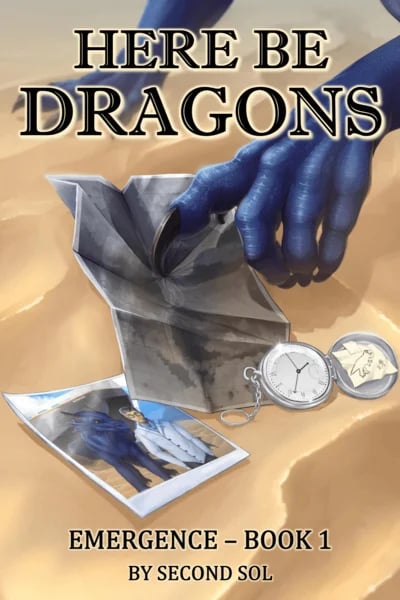
Al pisar tierra firme en el continente alienígena conocido como Loahm, Pryce se topa con una especie plenamente sapiente que recuerda poderosamente a los dragones clásicos. Estas criaturas poseen estructuras sociales intrincadas, capacidades metalúrgicas avanzadas y rasgos biológicos que desafían la zoología convencional, incluida la producción de fuego a base de hidrógeno y una visión ultravioleta e infrarroja de amplísimo espectro. La narrativa tiende con maestría puentes entre dos mundos dispares mediante un minucioso intercambio lingüístico, demostraciones científicas y vulnerabilidad mutua. Pryce trata el ala rota de Fathom con implantes de titanio mientras Fathom le enseña vocabulario muriano y las normas culturales dracónicas. Esta asociación simbiótica transforma una cruda historia de supervivencia en un profundo estudio de diplomacia interespecie, donde la confianza se gana mediante el trabajo compartido, la intervención médica y el lento desmontaje de los prejuicios históricos. El génesis de su alianza sienta las bases de un delicado tratado de paz, allanando el camino para el primer contacto formal de la humanidad con una civilización extraterrestre inteligente. Juntos se preparan para presentar sus especies ante el resto del mundo, equilibrando la disparidad tecnológica con una profunda resonancia emocional y una visión estratégica.
Tú salvar mi vida. Tú amigo ahora.
Aquí hay dragones:
Story Chronicles
NODE 01Supervivencia y Primer Contacto
XenobiologíaPrimer ContactoCulpa del Superviviente
Archivist Insights
El Horizon atraviesa la tormenta mientras el monóxido de carbono asfixia en silencio a toda la tripulación, dejando al doctor Pryce aislado en una tumba de metal a miles de kilómetros de la civilización. Navega el buque destrozado usando mecánica celeste y cronómetros marinos, recuperando cuerpos metódicamente mientras lidia con una profunda culpa del superviviente y un creciente pavor existencial. Al encallar el barco, Pryce se enfrenta a la costa alienígena, descubriendo vainas de esporas flotantes y flora desconocida que delatan un ecosistema radicalmente distinto. Su soledad se hace añicos cuando rapaces que cambian de color se infiltran en el campamento, exhibiendo tácticas de emboscada y una inteligencia rudimentaria que lo obligan a depender de armas de fuego y posicionamiento táctico. Justo cuando los depredadores hexápodos abordan la cubierta, un enorme dragón azul interviene, masacrando las amenazas con eficiencia despiadada y presentándose mediante vocalizaciones guturales y fonética de chasquidos. La criatura, llamada Hironh, revela una profundidad cognitiva inesperada al pedir botellas de vidrio y alcohol a cambio de eliminar a las presas escapadas, estableciendo una dinámica transaccional pero curiosa entre especies. Pryce reconoce la oportunidad de comunicación entre especies y comienza una adquisición sistemática del lenguaje, mapeando la sintaxis dracónica contra la gramática muriana mediante dibujos en la arena, imitación de gestos y corrección iterativa. El dragón demuestra memoria superior, reconocimiento rápido de patrones y un sistema único de medición del tiempo basado en latidos internos de hidrógeno, además de revelar maravillas fisiológicas como una visión tricromática que se extiende hacia los espectros ultravioleta e infrarrojo. A medida que la confianza se solidifica mediante la ayuda mutua y la observación compartida, Pryce introduce conceptos básicos de biología, química y astronomía, alterando fundamentalmente ambas perspectivas sobre la inteligencia y la evolución. La frágil alianza transforma un escenario de supervivencia desesperada en una iniciativa diplomática estructurada, sentando las bases para una cooperación interespecies más amplia. Sin embargo, bajo la superficie se cocinan disputas territoriales mientras dragones rivales vigilan al recién llegado, y facciones políticas se preparan para reaccionar ante la inminente llegada de la humanidad. La frágil paz pende de un hilo, esperando el próximo catalizador que una o fracture el puente recién forjado entre mundos.
◆ Conclusion
Establece la línea base de supervivencia y el marco fundacional de comunicación interespecies.
NODE 02Intervención Médica e Intercambio Cultural
Innovación QuirúrgicaDivisión FilosóficaEstrategia Diplomática
Archivist Insights
Las tensiones escalan cuando un dragón herido desafía a Pryce a tratar un ala fracturada, obligando al médico a improvisar procedimientos quirúrgicos con equipo médico limitado y una anatomía desconocida. Bajo sedación, Pryce realiza una osteotomía y asegura la fractura con placas de titanio, navegando capas complejas de tejido mientras maneja dosis de anestesia calibradas para la fisiología dracónica. La operación exitosa consolida el respeto mutuo, dando paso a lecciones recíprocas en metalurgia dracónica, artesanía cerámica y conocimiento ecológico. Pryce introduce microscopios, revelando patógenos bacterianos y revolucionando la comprensión local de la transmisión de enfermedades, mientras Fathom demuestra técnicas de combustión de hidrógeno y ecolocalización que difuminan la línea entre biología y física. Su intercambio académico se expande para incluir historia humana, gobernanza democrática y filosofía religiosa, exponiendo contrastes marcados en valores sociales y expectativas de longevidad. Los dragones ven la reproducción como un privilegio competitivo que requiere control poblacional, mientras los humanos priorizan el avance colectivo y los lazos familiares, creando una fricción filosófica que ambas partes navegan con diplomacia cautelosa. La relación se profundiza durante revelaciones personales: Pryce confiesa traumas médicos y Fathom comparte recuerdos trágicos de parejas perdidas y crías abandonadas, transformando la cortesía profesional en amistad genuina. Establecen sistemas de comunicación cifrada, negocian límites territoriales y se preparan para reuniones masivas donde cientos de dragones presenciarán la tecnología humana de primera mano. Sin embargo, emergen amenazas subyacentes cuando facciones rivales cuestionan la viabilidad de la alianza, y misteriosos errantes comienzan a rastrear los movimientos humanos por todo el continente. El delicado equilibrio entre confianza y secreto se tensa bajo presiones externas crecientes, exigiendo alianzas estratégicas antes de que intereses enfrentados enciendan un conflicto abierto.
◆ Conclusion
Forja una confianza duradera mediante un avance médico y una reconciliación ideológica.
NODE 03Maniobras Políticas y Alianzas Estratégicas
Construcción de la CoaliciónDiplomacia de RecursosConflicto entre Facciones
Archivist Insights
La narrativa gira hacia maniobras macropolíticas mientras Pryce y Fathom coordinan esfuerzos de reclutamiento por territorios dracónicos fragmentados, navegando políticas de clanes, agravios históricos y redes de distribución de recursos. Ancianos respetados como Jooral y Ghorrah evalúan las capacidades humanas, sopesando las ventajas tecnológicas contra las potenciales amenazas existenciales que plantea la expansión industrial. Pryce promete intervenciones médicas específicas, incluyendo tratamientos regenerativos para alas lisiadas y terapias de resistencia a patógenos, aprovechando suministros farmacéuticos escasos como moneda diplomática. Mientras tanto, facciones rivales explotan campañas de desinformación, con errantes oportunistas robando artefactos metálicos para probar la presencia humana, desencadenando pánico generalizado y militarización entre los clanes conservadores. Pryce contrarresta estos acontecimientos estableciendo redes de repetidores de radio, lo que permite la coordinación en tiempo real entre aliados dispersos y el monitoreo de las trayectorias de los buques de rescate a través de vastas distancias oceánicas. Montajes de entrenamiento revelan una asimilación lingüística acelerada, ejercicios de vuelo táctico y proyectos de ingeniería colaborativa que fusionan la precisión humana con la resistencia dracónica. Festines celebratorios, intercambios musicales y comercio de artefactos refuerzan la integración cultural, pero tensiones latentes amenazan con descarrilar el progreso mientras los tradicionalistas exigen la expulsión inmediata de las entidades extranjeras. Conflictos internos estallan cuando antiguos rivales desafían jerarquías establecidas, obligando a Pryce a mediar disputas mientras mantiene la seguridad operativa alrededor de cachés de suministros ocultos. La coalición se fortalece mediante victorias compartidas contra fauna depredadora y ejercicios de defensa coordinados, demostrando interoperabilidad en condiciones de combate. No obstante, surgen complicaciones imprevistas cuando miembros desaparecidos de la tripulación reaparecen de forma independiente, complicando las estructuras de mando e introduciendo agendas diplomáticas rivales que chocan con los protocolos establecidos. El delicado equilibrio se fractura cuando visiones opuestas de la coexistencia chocan, exigiendo un liderazgo decisivo antes de que la fragmentación se vuelva irreversible.
◆ Conclusion
Pone a prueba la resiliencia de la alianza en medio de convulsiones geopolíticas y agendas enfrentadas.
NODE 04Llegada del Rescate y Reencuentro Interestelar
Revelación ImpactanteReencuentro EmocionalFricción Institucional
Archivist Insights
El horizonte se enciende cuando el buque de rescate Daybreak irrumpe en aguas costeras, transportando a veinticinco tripulantes ansiosos que esperan encontrar restos rescatables o sobrevivientes afligidos. En cambio, se topan con un imponente dragón azul transmitiendo código Morse estandarizado sobre frecuencias de radio modificadas, haciendo añicos instantáneamente siglos de supuestos mitológicos y desencadenando un pánico masivo en toda la cubierta. El capitán Siebert impone protocolos estrictos de cuarentena mientras los ingenieros se apresuran a verificar clasificaciones biológicas y evaluar posibles indicadores de hostilidad. Pryce llega simultáneamente a bordo de Fathom, presentando evidencia irrefutable de cooperación interespecies sostenida mediante acuerdos comerciales documentados, certificados de fluidez lingüística y ejercicios militares conjuntos. El reencuentro expone heridas emocionales crudas cuando Gordon Callan abraza a su esposa Jane tras meses de muerte presumida, mientras Dean Clarke rechaza violentamente el testimonio del dragón sobre los restos de su hermano enterrados en costas lejanas. Las fracturas psicológicas se profundizan cuando el trauma histórico colisiona con la realidad presente, obligando a ambas tripulaciones a reconciliar duelo, culpa y lealtad institucional sin mecanismos tradicionales de cierre. Contingentes militares se arman a la defensiva, poniendo a prueba los umbrales diplomáticos mientras las poblaciones civiles oscilan entre el asombro y el terror. Pryce negocia treguas temporales usando canales de comunicación transparentes y rituales culinarios compartidos, reduciendo gradualmente las posturas defensivas mediante una constante previsibilidad conductual. Aun así, preguntas sin resolver se ciernen sobre la logística de carga, los calendarios de repatriación y la autoridad jurisdiccional, amenazando con deshacer la confianza duramente ganada antes de que los tratados oficiales puedan ratificarse. La convergencia de dos sociedades aisladas crea dilemas éticos sin precedentes en torno a la preservación cultural frente a la asimilación tecnológica, dejando a cada participante vulnerable a errores de cálculo. Mientras el amanecer rompe sobre la flota reunida, los prejuicios ancestrales enfrentan su prueba definitiva, y la humanidad se yergue al borde del precipicio, entre la trascendencia o la catástrofe.
◆ Conclusion
Obliga a un ajuste de cuentas inmediato entre el legado aislacionista y un futuro integrado.
Character Lore Pantheon
Alexander Pryce
Distanciamiento clínicoRigor científicoEmpatía inquebrantable
Tras quedar sumido en un aislamiento absoluto a causa de un catastróico incidente de envenenamiento, Pryce aprovecha su experiencia médica y su formación en navegación para asegurar su supervivencia en un terreno hostil. Construye sistemáticamente un marco de comunicación con la fauna autóctona, aplicando metodología empírica para descifrar una sintaxis alienígena mientras ofrece intervenciones quirúrgicas que salvan vidas y redefinen los paradigmas médicos dracónicos. Su trayectoria evoluciona de la preservación solitaria a la construcción estratégica de coaliciones, lo que exige una negociación constante entre las expectativas institucionales humanas y la autonomía cultural dracónica. Cargado con la culpa del superviviente y atormentado por fracasos clínicos del pasado, Pryce mantiene el equilibrio emocional mediante una rutina disciplinada y la búsqueda intelectual, terminando por convertirse en la pieza clave que evita el conflicto entre especies. Su liderazgo adaptativo tiende puentes sobre la brecha tecnológica, garantizando la integración pacífica de la humanidad al tiempo que protege el frágil avance diplomático frente al sabotaje interno y la agresión externa.
Hironh Fathom
Honor pragmáticoAdaptación cognitiva rápidaLealtad protectora
Inicialmente percibido como una amenaza territorial, Fathom demuestra una flexibilidad intelectual extraordinaria al entrar en contacto con la tecnología humana y sus patrones lingüísticos. Domina con rapidez la gramática muriana, integra observaciones astronómicas y adopta implantes quirúrgicos sin comprometer su integridad física, exhibiendo una notable neuroplasticidad y una gran apertura cultural. La historia personal de Fathom revela un trauma profundo por competiciones fallidas y la pérdida de su madre, lo que alimenta su insistencia en una responsabilidad parental rigurosa y en la custodia del territorio. Su alianza con Pryce transforma una curiosidad meramente transaccional en una camaradería profunda, que culmina en ejercicios militares coordinados y acuerdos de intercambio de recursos que refuerzan la estabilidad regional. A pesar de enfrentarse a desafíos persistentes por parte de aspirantes rivales y tradicionalistas conservadores, Fathom prioriza siempre la continuidad diplomática por encima del dominio bélico, ganándose el amplio respeto de los clanes ancianos mientras navega las complejas dinámicas de sucesión dentro de su propio linaje.
Jane Callan
Optimismo resilientePrecisión analíticaFlexibilidad diplomática
Varada en una isla remota tras ser arrastrada por la borda en pleno huracán, Callan sobrevive a una exposición prolongada gracias a la recolección adaptativa y a la ayuda oportunista de la fauna local antes de reunirse con las redes de exploración. Su formación en estratigrafía y formación planetaria aporta datos contextuales cruciales sobre la deriva continental y la divergencia ecológica, enriqueciendo el discurso académico en torno a la historia geológica de Loahm. Al cruzarse con errantes independientes, establece protocolos de comunicación paralelos que complementan las iniciativas de Pryce, demostrando unas habilidades excepcionales de gestión de crisis y mediación interpersonal. La recuperación emocional de Callan pasa por confrontar las narrativas de abandono institucional mientras reconstruye relaciones personales tensadas por la separación prolongada y los malentendidos burocráticos. Actúa como una fuerza estabilizadora durante las negociaciones de alto riesgo, traduciendo especificaciones técnicas en marcos accesibles que facilitan la comprensión intercultural y aceleran los procesos de ratificación de tratados.
Fair Use & IP Notice
MythFan is a community-driven, fan-contributed wiki & archive operating under Fair Use guidelines. MythFan does not host, store, or distribute any novel downloads or copyrighted media assets. All content is contributed and maintained by community members. If you believe any content infringes upon your intellectual property rights, please send a notice to [email protected] — we will review and remove infringing material within 3–7 business days upon verification.
💬
Sanctuary Discussion
Aquí hay dragones · Forum
🔑 Sign in to participate in discussions
Sign InProject Sanctuary · Native Discussion System