📊 Editorial Consensus89%
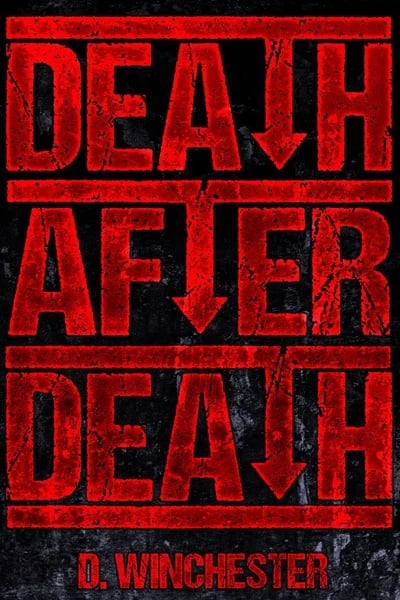
Death After Death
by DWinchester
● OngoingRoyalroad
#GameLit#Portal Fantasy / Isekai#Time Loop#Progression#Psychological#Action
Archivist Notes
In a world weighed down by the mundane, where the hum of server racks and the glow of a monitor replaced the vibrant tapestry of human connection, Simon Jackoby existed, a 29-year-old hikikomori otaku, adrift in a sea of unfulfilled potential. His life, a carefully curated digital escape from the disappointments of reality, had been reduced to a simple, essential truth: it was unbearable. Laid off from the only IT job he'd ever truly liked, spurning friends who "didn't get it," Simon found solace and a desperate hope in the boundless narratives of Isekai light novels. These tales, with their promise of truck-induced reincarnation into fantastical realms, painted a vivid picture of salvation. He envisioned himself an amazing hero, armed with walkthroughs and thousands of hours of gaming experience, ready to save worlds from demon kings and undead armies, all for the modest reward of busty companions and delicious food.
His chosen exit from this "tedious, mundane existence" was a deliberate act of faith, a calculated gamble on an otaku ending. Stepping into the path of Truck-kun on a rainy Wednesday, Simon sought not just an end, but a beginning—a chance to shed the skin of a shut-in and embrace the glorious destiny he felt was his due. Yet, the afterlife, as conceived by the whimsical and sardonic Goddess Helades, was far from the simple cheat-powered paradise he anticipated. His soul, she revealed, was a paltry collection of "experience points," too meager for human reincarnation, condemning him to cycles as a koala or sloth. His act of self-termination, a desperate bid for a new life, had instead incurred a crippling penalty, stripping away a quarter-million experience points and cementing his status as a cosmic underachiever.
This brutal, bureaucratic twist on the Isekai genre immediately stripped away Simon's illusions, replacing them with a stark, unforgiving reality. His meticulously planned "otaku ending" was merely the prelude to a far darker, more complex game, where the rules were hidden, the stakes were existential, and the goddess herself delighted in his suffering. The Pit, as his new purgatory was called, was not a fantasy realm to be conquered with overpowered skills, but a crucible designed to forge or break souls, a place where the line between game and grim reality blurred with every agonizing death. Simon's journey was not just about survival, but about a desperate, defiant struggle to redefine his own heroism in a world that refused to conform to his preconceived notions.
Help me, Truck-kun, you're my only hope,
Death After Death
Story Chronicles
NODE 01The Pit's Cruel Reality and Simon's Awakening
LitRPG deconstructionBrutal reincarnationHidden mechanicsProtagonist growthDivine mockery
Archivist Insights
Simon's initial foray into The Pit is a rude awakening, a brutal deconstruction of his Isekai fantasies. He approaches the subterranean dungeon with gamer-like confidence, expecting levels, skills, and clear objectives. Instead, he endures a series of agonizing, humiliating deaths: a fatal tumble down stairs, being eaten alive by rats, impaled on spikes, drowned in a subterranean river, and torn apart by goblins. Each respawn, a jarring return to his cabin, chips away at his composure. The mirror, his only interface, initially provides cryptic non-answers, but eventually reveals a "character sheet" that shatters his gamer logic: negative experience points, "very poor" skills, and the devastating truth that "levels" are merely floors, not earned progress. Helades, the goddess, reappears to cruelly confirm his fears, revealing the Pit as a cosmic "garbage can" for "weeds" like him, a place of endless, pointless suffering. This divine mockery ignites a fierce, spiteful determination in Simon. He begins to actively engage with the Pit's hidden mechanics, experimenting with magic and discovering that spells require not just words, but intense visualization and emotional intent, a taxing process that hurts but yields powerful results. His first successful fire spell, born of pure rage, marks a turning point, transforming him from a passive victim into an active, if still suffering, participant in Helades' twisted game, setting the stage for his desperate quest for mastery and revenge.
◆ Conclusion
Simon confronts the Pit's true nature and Helades' cruelty, finding genuine power through suffering and anger.
NODE 02The Tragedy of Freya and the Zombie Apocalypse
Romantic tragedyMoral dilemmaExistential horrorZombie survivalMagic cost
Archivist Insights
Simon's journey takes an unexpected emotional turn with the discovery of Freya, a barmaid trapped in the zombie-infested city of Schwarzenbruck. His burgeoning affection for her, a genuine human connection in the brutal isolation of the Pit, becomes both his greatest strength and his most profound vulnerability. He dedicates himself to protecting her, navigating the zombie hordes and the insidious threat of infection. However, the Pit's relentless reset mechanics mean their love story is doomed to repeat, with Freya dying in various horrific ways—turned into a zombie, killed by a fellow survivor, or simply lost to the chaos. Simon himself experiences the ultimate horror: forced undeath as a zombie, trapped within his own rotting corpse, compelled to devour the living, including the man who tried to save Freya. This experience, coupled with Freya's repeated loss, plunges him into despair, driving him to seek an escape from the Pit entirely. His desperate attempt to find an exit leads him to the harsh mountain wilderness, where he ultimately freezes to death. Upon his return, Helades reveals the true cost of his "immortality": the use of magic drains his life force, causing him to age rapidly with each spell, culminating in a death by old age.
◆ Conclusion
Simon experiences profound loss and personal sacrifice, revealing the Pit's capacity for emotional torment beyond physical death.
NODE 03The Search for Answers and the Weapon of Vengeance
Mastery of magicCraftingTactical combatMoral ambiguityVengeful quest
Archivist Insights
Reborn and rejuvenated, but haunted by Freya's memory and the terror of undeath, Simon's purpose solidifies into a grim quest for understanding and vengeance. He dedicates himself to mastering the Pit's magic, studying a grimoire that reveals the modular nature of spells and a host of new abilities: cure, transfer, ice, protection, force, and light. His time in Rivenwood, a plague-ridden village, allows him to hone his healing and combat skills, transforming him into a formidable warrior-mage. He crafts a flaming sword and cold-resistant armor, physical manifestations of his growing power and defiance against the Pit's cruel designs. Returning to the early levels, he speedruns through them, effortlessly dispatching rats, bats, and goblins. He confronts Brenna, the barmaid who became a zombie in one timeline, and, understanding the plague's spread, makes a morally ambiguous choice to unleash a giant slime to "eat" the zombies, effectively clearing the level. This strategic, almost detached approach to the Pit marks his evolution from a reacting victim to a calculating agent, driven by a desire to conquer the system that tormented him and find a way to make Helades pay.
◆ Conclusion
Simon actively manipulates the Pit's mechanics and magic, transforming into a capable, if morally grey, agent of his own will.
NODE 04The Unraveling of the Grand Design and the Hero's Burden
Cosmic conspiracyHero's journeyPersonal growthDungeon traversalDivine intervention
Archivist Insights
Simon systematically progresses through the Pit's middle levels, from the sewer's carrion crawler to the jungle's carnivorous plants, the haunted mansion's poltergeists, and the frozen village's ice mage. His encounters with the Demon in the "church" level offer cryptic insights into the Pit's cosmic purpose: a "reality knot" created by Helades for a previous hero's failed quest to "cleanse the world." Simon learns he is one of millions of "weeds" trapped in parallel iterations, a pawn in a divine game. This revelation, coupled with the escalating difficulty and the emotional toll of his journey, solidifies his resolve. He faces his most feared opponent, the Basilisk, the creature that petrified him for years, in a brutal, magic-infused battle, finally overcoming his trauma. Upon reaching level 20, Helades appears, confirming the Pit's origin and his own unexpected "promise" as a hero, but also revealing the profound cost of his magic: accelerated aging. Now old, wise, and burdened by the weight of his experiences and losses, Simon stands at a crossroads, understanding the Pit's true nature as a failed attempt at salvation, and his own unwilling role in its continuation, yet resolute to conquer its remaining 79 levels.
◆ Conclusion
Simon transcends self-pity, embraces his role, and vows to conquer the Pit, armed with understanding and a burning desire for answers.
Character Lore Pantheon
Simon Jackoby
OtakuHikikomoriResentful
Simon begins as a disillusioned gamer seeking Isekai fantasy, but his suicide lands him in Helades' brutal "Pit," a purgatorial dungeon. Initially naive, he faces repeated, agonizing deaths, forcing him to adapt his gamer logic to harsh reality. His love for Freya and her tragic loss ignites a profound transformation, moving him from self-pity to a fierce determination to master the Pit's magic and mechanics. He discovers magic's true cost (life force, aging) and the Pit's cosmic purpose as a "garbage can" for failed souls, but also an arena for world-fixing. Simon's journey is marked by his evolving combat skills, strategic use of magic, and a growing, albeit dark, sense of heroism fueled by vengeance and a desire to understand the universe that wronged him.
Helades
OmnipotentSardonicManipulative
Helades is introduced as the seemingly benevolent deity granting Simon reincarnation, only to reveal herself as the cynical architect of "The Pit," a purgatorial system for "weeds" of creation. She constantly mocks Simon's gamer mindset and his suffering, yet subtly provides glimpses of the Pit's true history and mechanics. Her detached cruelty is a driving force for Simon's defiance, but her later revelations about the Pit's origin as a failed heroic endeavor and her weary pragmatism suggest a deeper, more complex character burdened by cosmic responsibility. She represents the ultimate, unyielding authority Simon must overcome.
Freya
KindVulnerableResilient
Freya is the first human connection Simon makes in The Pit, a barmaid trapped in the zombie-infested city of Schwarzenbruck. Her initial fear and eventual trust in Simon awaken his dormant humanity and provide him with a profound sense of purpose beyond mere survival. Her repeated deaths and Simon's inability to save her (due to the Pit's reset mechanics) become the central emotional trauma driving his quest. She embodies the stakes of the Pit's cruelty and the personal cost of Simon's journey, making him fight not just for himself, but for the memory of lost love and the hope of a better future.
Fair Use & IP Notice
MythFan is a community-driven, fan-contributed wiki & archive operating under Fair Use guidelines. MythFan does not host, store, or distribute any novel downloads or copyrighted media assets. All content is contributed and maintained by community members. If you believe any content infringes upon your intellectual property rights, please send a notice to [email protected] — we will review and remove infringing material within 3–7 business days upon verification.
💬
Sanctuary Discussion
Death After Death · Forum
🔑 Sign in to participate in discussions
Sign InProject Sanctuary · Native Discussion System